
Introduction
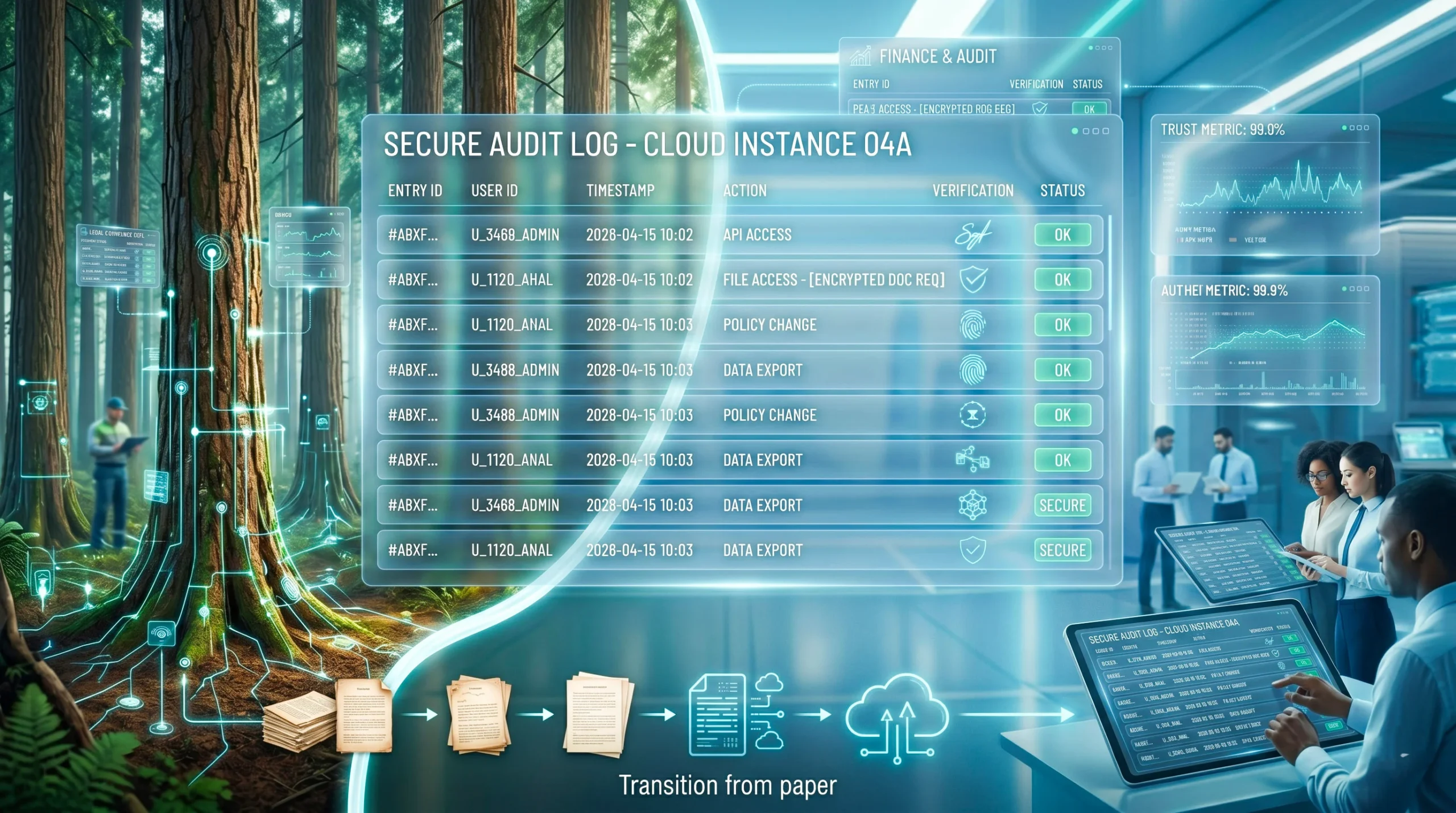
The shift toward paperless operations is no longer just an environmental initiative—it is a strategic business decision. Organizations worldwide are recognizing the benefits of reducing paper usage and embracing digital solutions.
With platforms like StellaSign, businesses can transition to fully digital workflows, improving efficiency while contributing to sustainability.
The Environmental Impact of Paper Usage
Paper production has significant environmental consequences:
- Deforestation
- High water consumption
- Carbon emissions
Reducing paper usage helps minimize these impacts and supports global sustainability efforts.
Business Benefits of Going Paperless
Cost Savings
Eliminating paper reduces printing, storage, and transportation costs.
Increased Efficiency
Digital documents can be accessed and shared instantly.
Improved Security
Digital systems offer encryption and access controls.
Better Organization
Documents can be easily indexed and retrieved.
Enhancing Productivity
Paperless workflows streamline operations by eliminating manual tasks. Employees can focus on strategic activities instead of administrative work.

Sustainability and Brand Image
Going paperless enhances a company’s reputation as an environmentally responsible organization. This can improve brand perception and attract eco-conscious customers.
Challenges of Going Paperless
- Initial transition costs
- Employee adaptation
- Data migration
However, these challenges can be managed with the right strategy and tools.

Role of Digital Signatures
Digital signatures are a key enabler of paperless workflows. They eliminate the need for physical documents while ensuring security and legal validity.
Solutions from AuthNEX Technologies provide secure and efficient digital signing capabilities.
Conclusion
Going paperless is a win-win for businesses and the environment. By adopting digital solutions, organizations can reduce costs, improve efficiency, and contribute to sustainability.
Word Count: 1,061