
In today’s digital world, businesses and individuals exchange documents online every day. From contracts and invoices to approvals and government forms, organizations need a secure and legally trusted way to sign documents electronically. This is where digital signatures play a critical role.
Understanding Digital Signatures
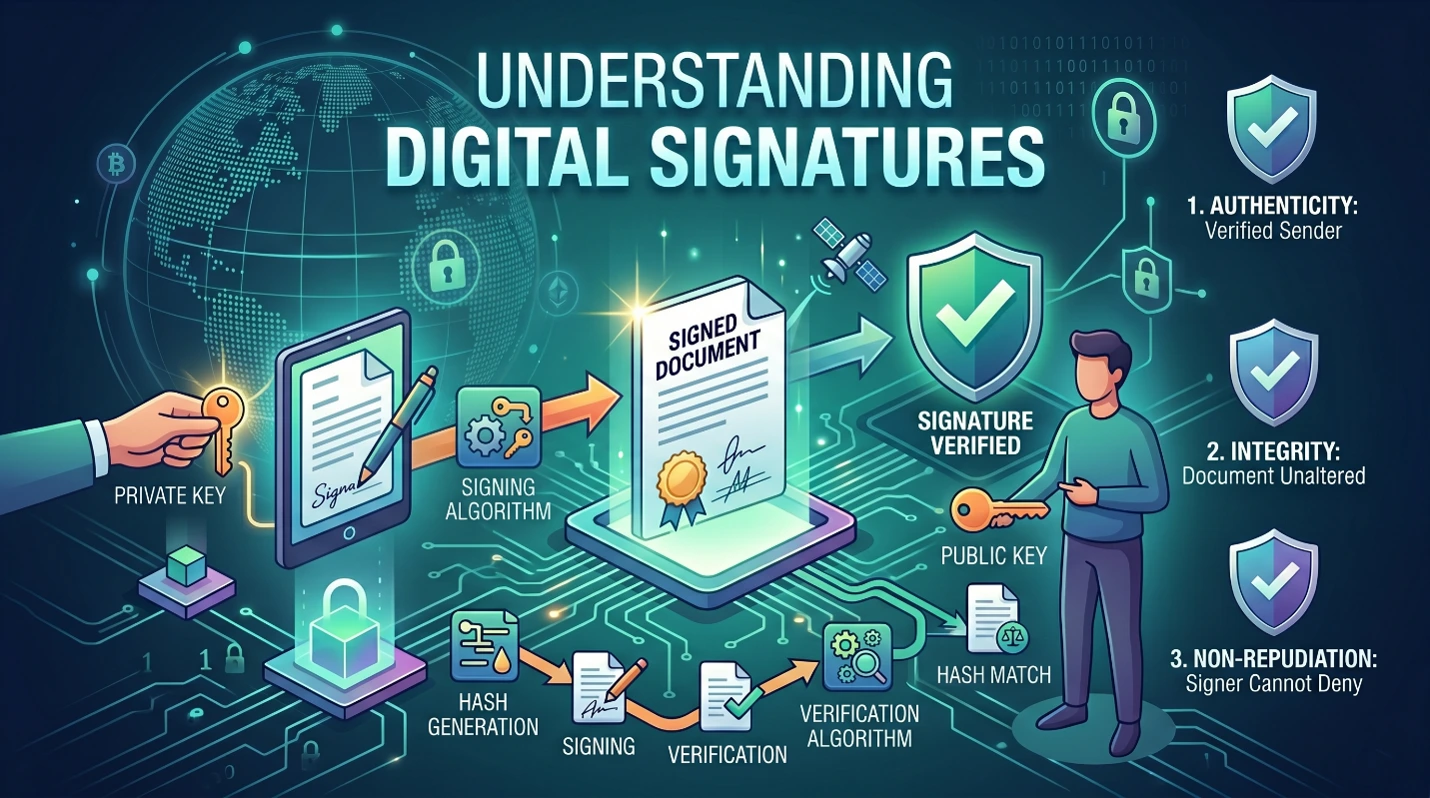
A digital signature is a secure electronic method used to verify the authenticity, integrity, and ownership of a digital document or transaction. It works using cryptographic technology known as Public Key Infrastructure (PKI).
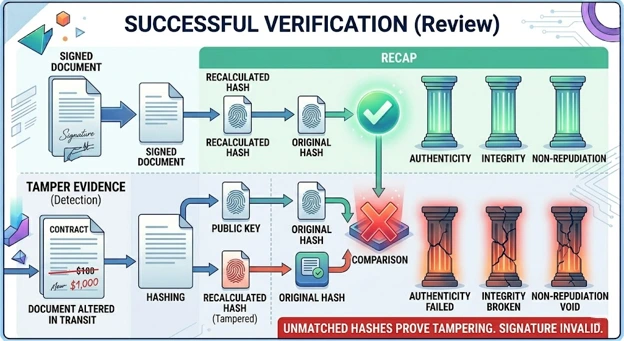
A digital signature ensures:
- The signer is genuine
- The document has not been modified after signing
- The signer cannot deny signing the document
Unlike a simple scanned signature image, a digital signature provides strong security and legal validity.
How Does a Digital Signature Work?
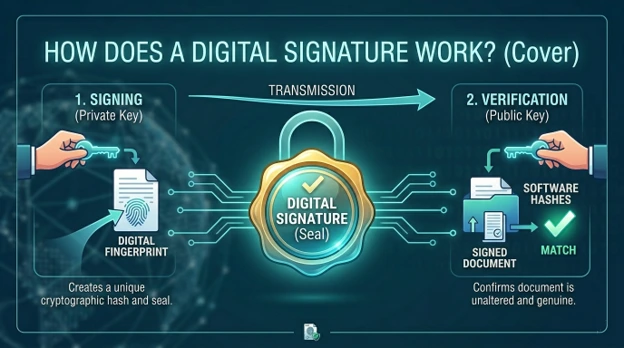
Digital signatures use two cryptographic keys:
- Private Key – Used by the signer to sign the document
- Public Key – Used by others to verify the signature
The Process
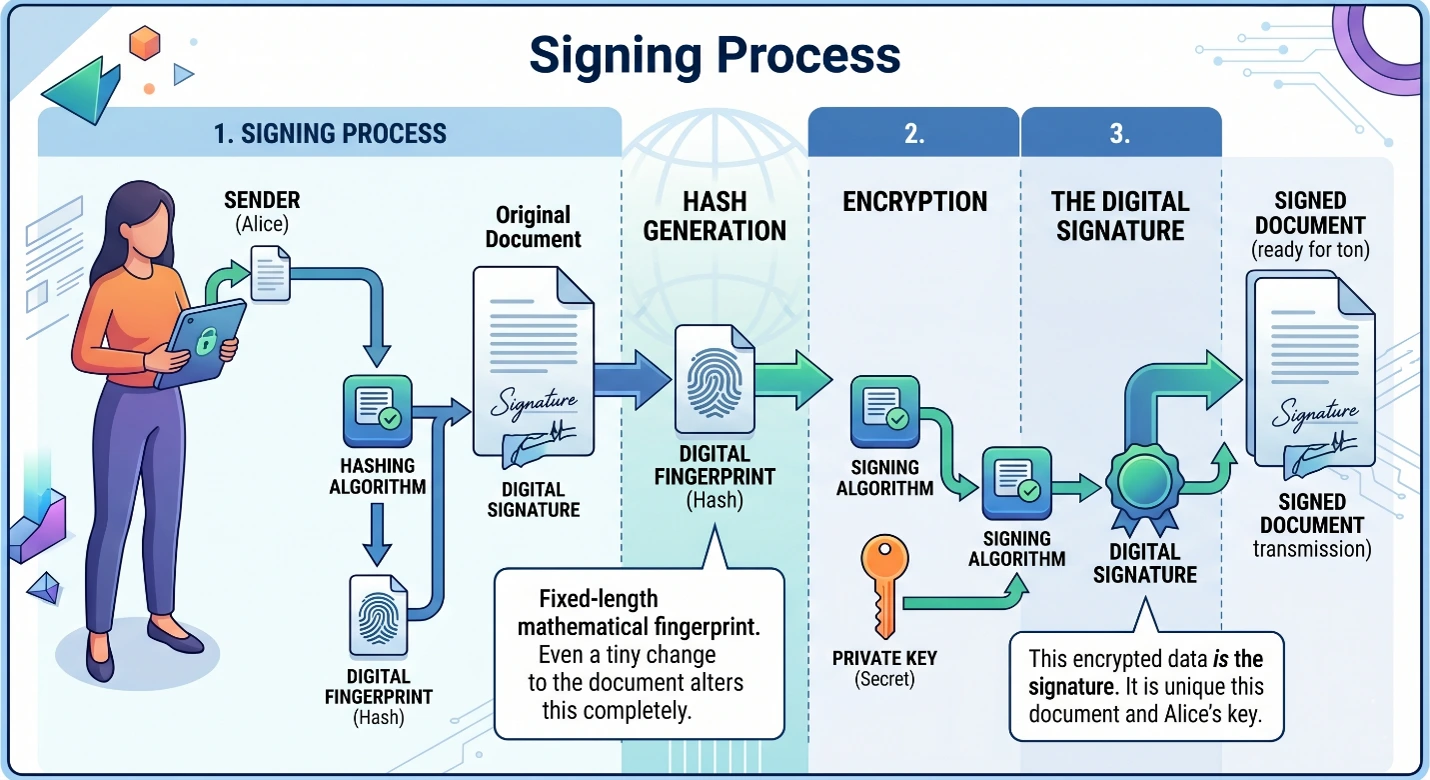
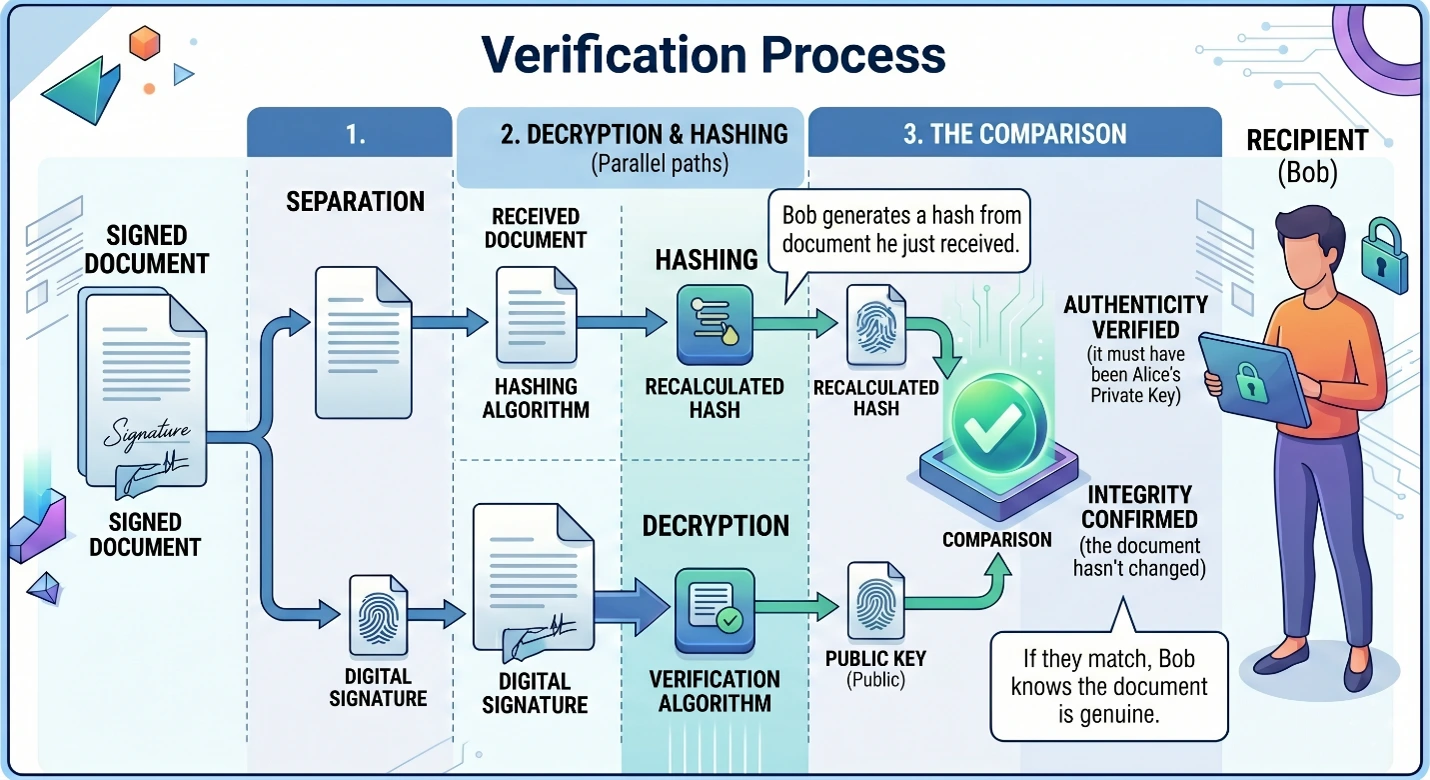
- A user signs a document digitally using their private key
- The system generates a unique encrypted hash of the document
- If the document is changed after signing, the signature becomes invalid
- Recipients verify the signature using the public key
This ensures trust, security, and tamper protection.
Key Benefits of Digital Signatures
Enhanced Security
Digital signatures use advanced encryption technologies that make forgery or tampering extremely difficult.
Legal Validity
In many countries, digital signatures are legally recognized for business and regulatory use.
Faster Processing
Organizations can sign and approve documents instantly without printing or courier delivery.
Cost Savings
Reduce paper usage, storage costs, and manual operational expenses.
Improved Compliance
Digital signatures provide audit trails, timestamps, and signer authentication records.
Better Customer Experience
Users can securely sign documents anytime and anywhere using mobile devices or computers.
Digital Signature vs Electronic Signature
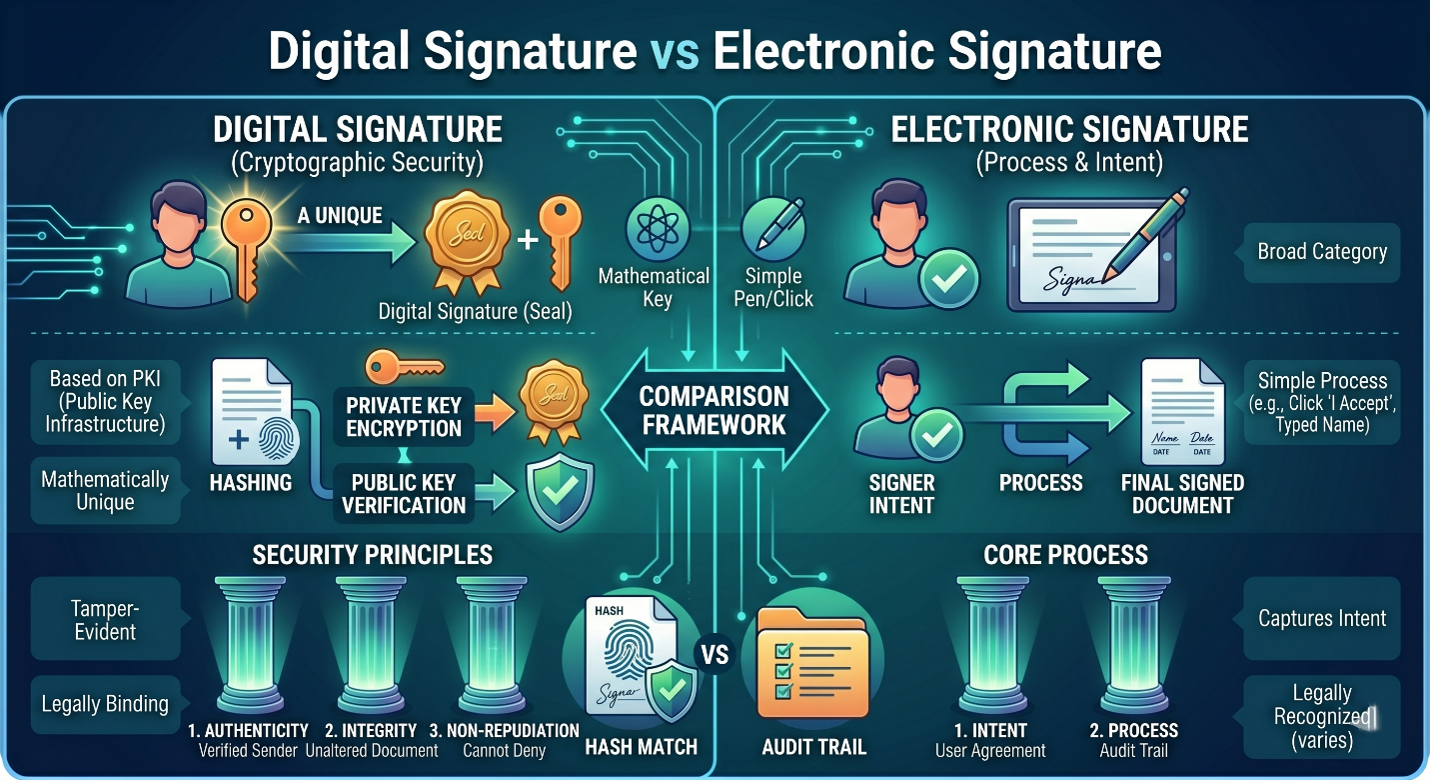
| Electronic Signature | Digital Signature |
| Simple electronic approval | Cryptographically secured signature |
| Can include typed names or images | Uses PKI and encryption |
| Basic verification | Strong identity validation |
| Lower security | High security and tamper detection |
A digital signature is a more secure and trusted form of electronic signature.
Common Use Cases
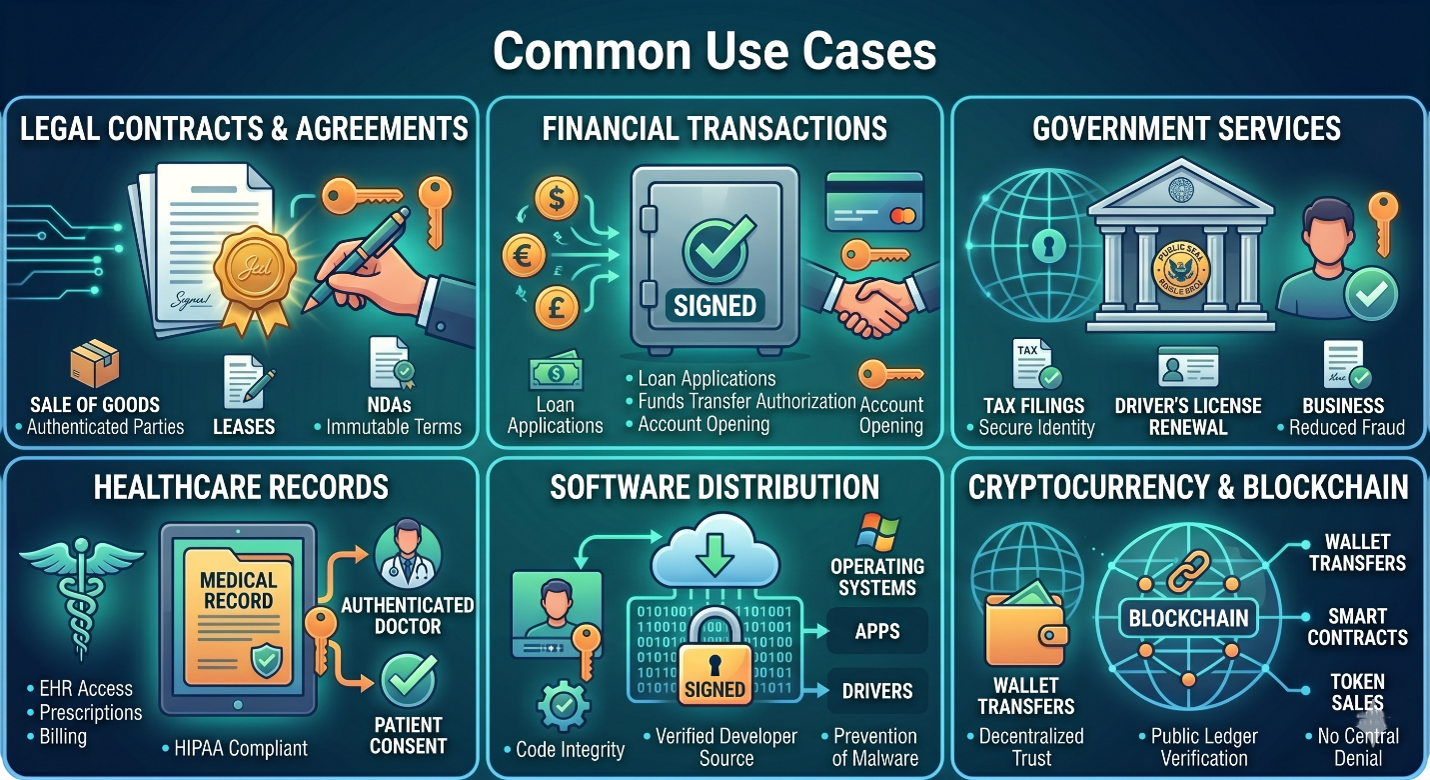
Digital signatures are widely used across industries:
- Banking and financial services
- Government services
- Insurance and healthcare
- Human resource onboarding
- Vendor agreements
- Legal contracts
- Loan approvals
- Procurement workflows
Are Digital Signatures Safe?
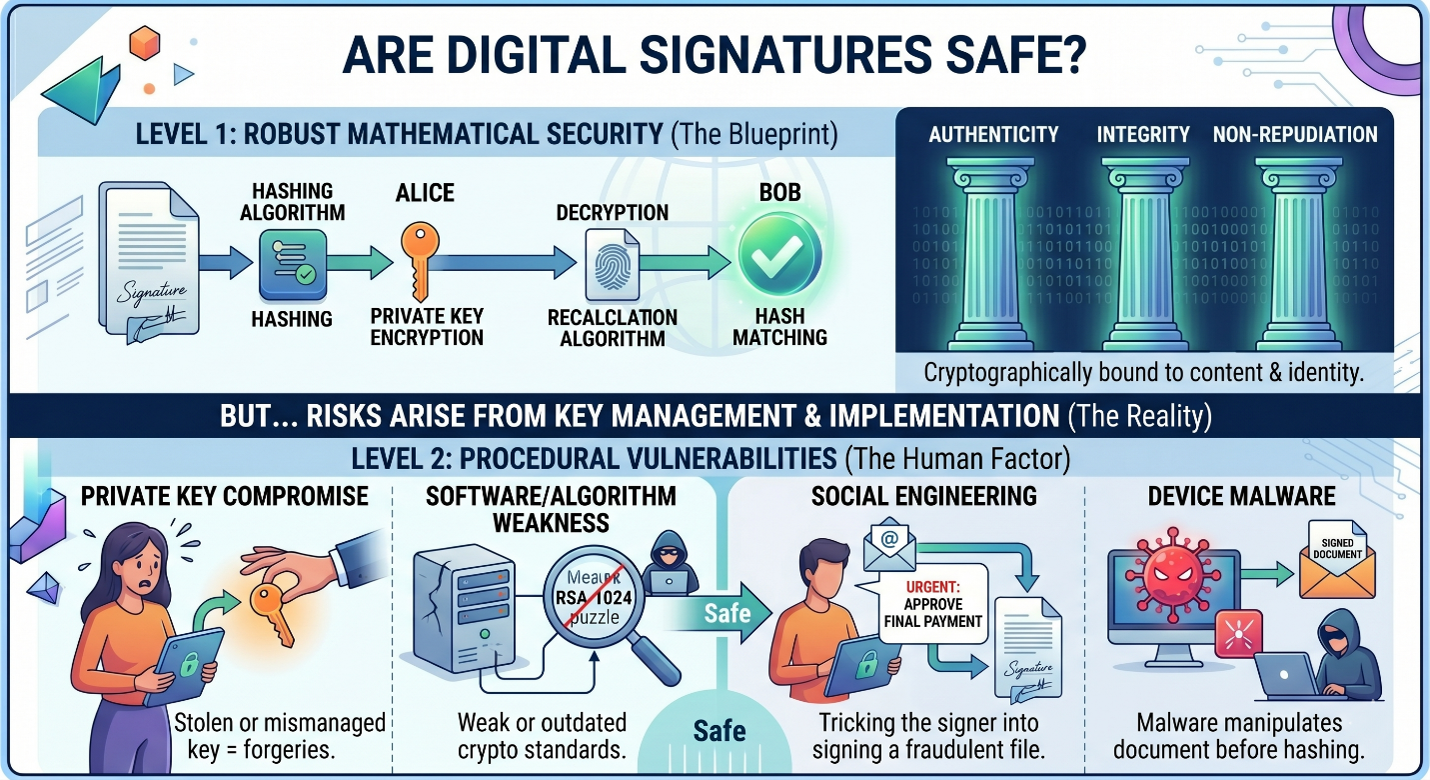
Yes. Digital signatures are considered one of the most secure methods for approving digital documents. Modern platforms use:
- PKI certificates
- Multi-factor authentication
- Biometric verification
- Secure audit trails
- Encryption technologies
These technologies help protect against fraud and unauthorized access.
The Future of Digital Signing
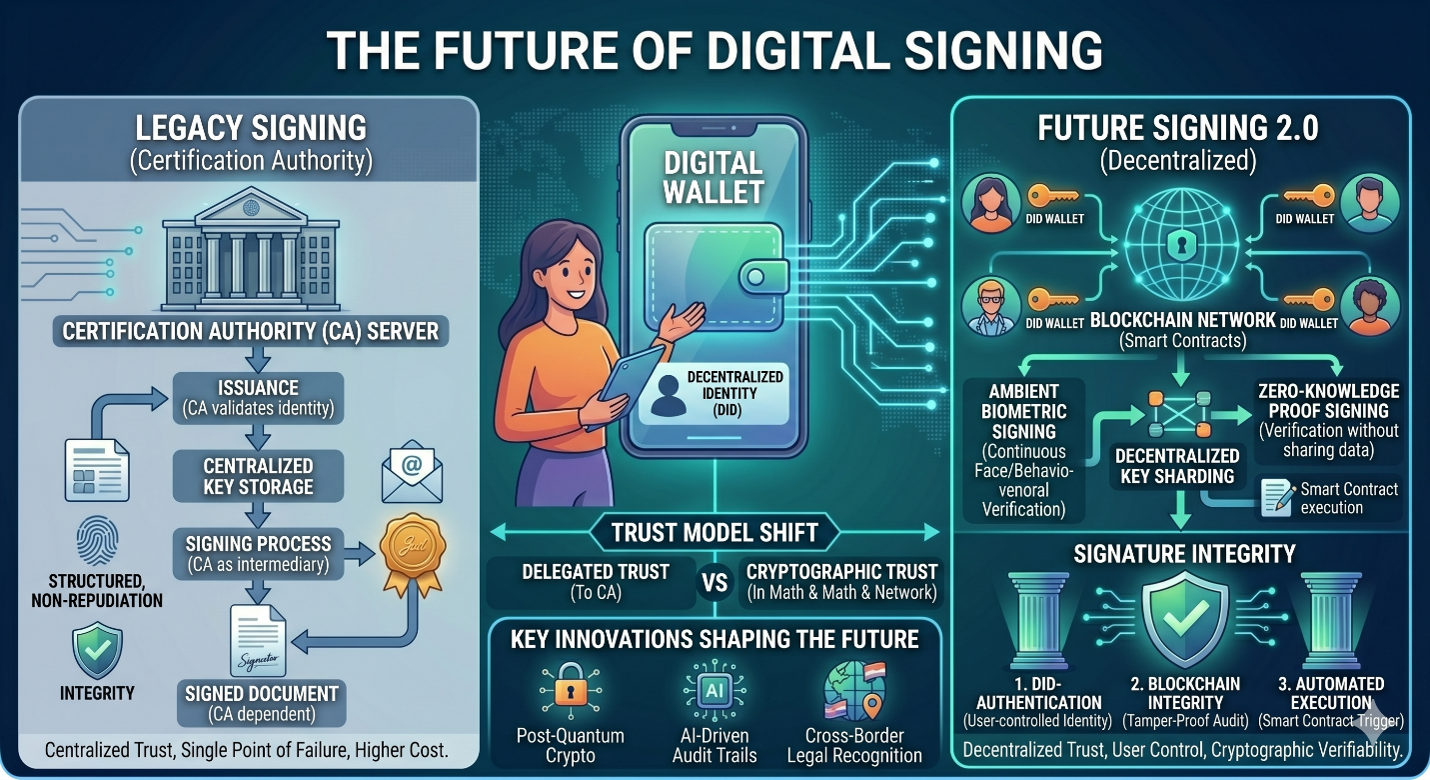
As organizations move toward paperless operations and remote work environments, digital signatures are becoming essential for secure digital transformation.
Businesses adopting digital signature solutions benefit from:
- Faster operations
- Increased trust
- Better compliance
- Improved efficiency
- Reduced operational costs
Conclusion
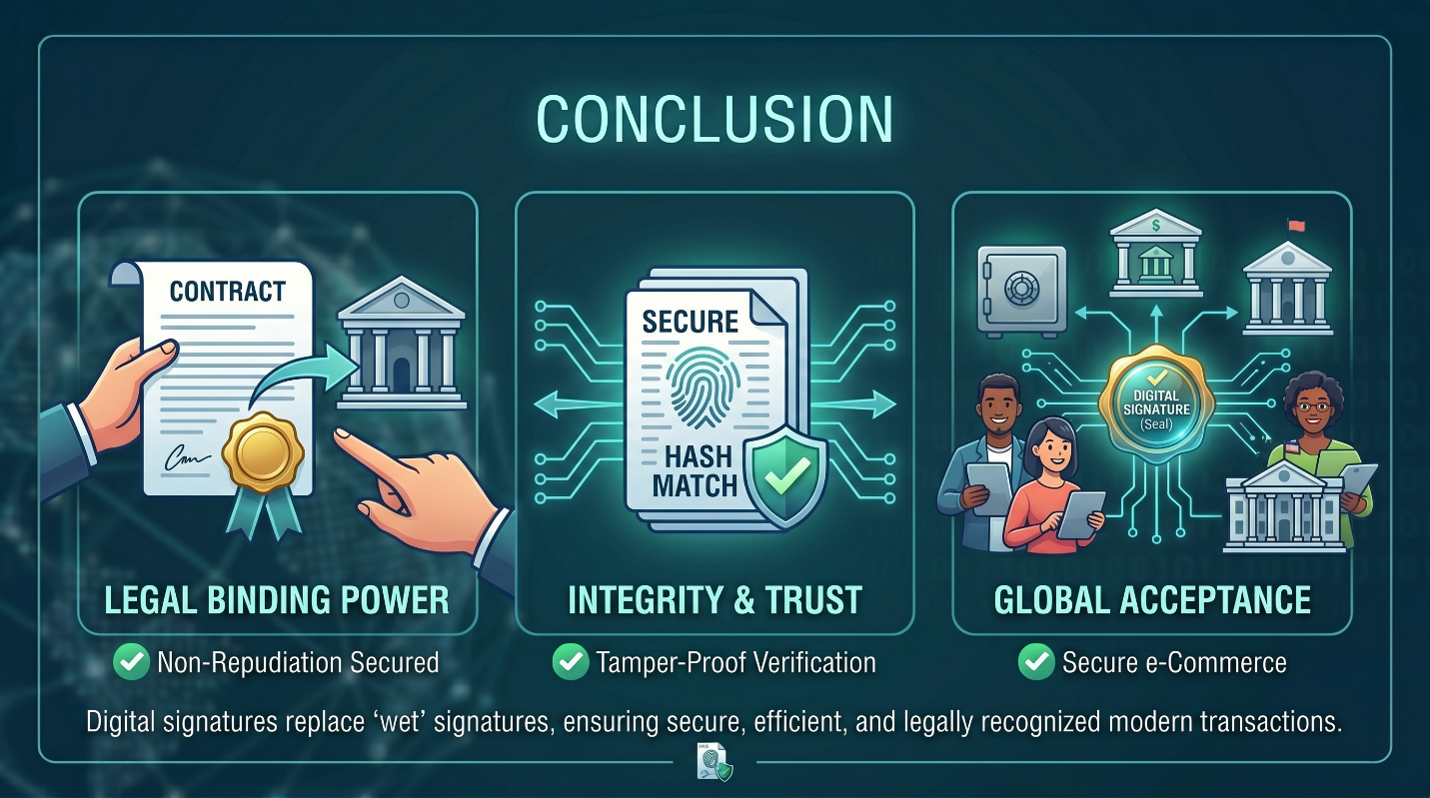
Digital signatures provide a secure, trusted, and legally recognized way to sign documents electronically. They help organizations modernize workflows, improve security, and accelerate business operations while maintaining compliance and auditability.
As digital transformation continues to grow, digital signatures are becoming essential for modern businesses and governments worldwide.